From data chaos to clarity: How Spotfire harmonizes semiconductor data for actionable insights
In semiconductor manufacturing, data is everywhere — but insights often feel out of reach.
Every step of semiconductor production generates massive amounts of data: device metrology, equipment events, process trace data, defect reports, and more. The challenge? These datasets exist in different formats across disconnected systems, leading to data silos, slow analysis, and missed optimization opportunities.
Without the right tools, semiconductor data becomes a liability instead of an asset. Spotfire® visual data science helps manufacturers turn data chaos into clarity — enabling smarter decisions and operational excellence.
The complexity of semiconductor data
Semiconductor manufacturing generates vast amounts of data, but extracting meaningful insights from it can be challenging. Key obstacles include:
- Data silos across systems and processes
- Diverse data formats and structures
- The limitations of traditional data tools
Data silos across systems and processes
Manufacturers rely on multiple systems, such as yield management tools, manufacturing execution systems, and equipment specialist applications. However, these systems often do not communicate seamlessly, making it difficult to pinpoint root causes of defects or optimize manufacturing processes. Without an integrated approach, engineers spend excessive time manually gathering and correlating data, delaying critical insights.
Diverse data formats and structures
Semiconductor data varies widely in structure. Some datasets, such as test results, are structured, while others, like equipment logs, fall into a semi-structured category. Unstructured data, such as maintenance notes, adds another layer of complexity. Engineers and analysts face constant challenges in harmonizing these datasets, often resulting in inefficiencies and delays in root cause analysis and decision-making. Manually aligning different formats consumes valuable time that could be better spent analyzing trends and optimizing production.
The limitations of traditional data tools
Many traditional tools are designed for specific data types but lack the flexibility needed to integrate across diverse data sources. Statistical tools, for example, require advanced expertise, which slows down the insight-generation process. Moreover, manual data wrangling is time-consuming, prone to errors, and ultimately unsustainable for large-scale semiconductor manufacturing operations.
Spotfire: Unifying semiconductor data for holistic insights
Spotfire addresses these challenges by providing a seamless and powerful data analytics platform that integrates, transforms, and visualizes semiconductor data effectively. Spotfire capabilities include:
- Seamless data integration: Spotfire seamlessly connects to various data sources across semiconductor manufacturing environments, from process historians to defect management platforms. Its real-time data streaming capabilities enable instant access to critical insights, helping engineers and decision-makers respond quickly to emerging trends. Additionally, data virtualization in Spotfire allows users to analyze information without complex ETL processes, reducing the burden on IT teams and accelerating the time to insight.
- Advanced data wrangling, no coding required: Spotfire simplifies the data preparation process with built-in tools for data cleansing, transformation, and harmonization. Engineers can merge datasets, fill gaps, and analyze anomalies with AI-powered recommendations to suggest the most insightful visualizations — along with the Spotfire CopilotTM AI assistant, eliminating the need for extensive coding expertise. The intuitive visual interface enables users to manipulate data dynamically, streamlining the wrangling process and allowing more time for in-depth analysis.
- Visual data science for actionable insights: Engineers can create analysis applications that integrate multiple data sources, offering a comprehensive view of operations. With AI-powered suggestions for the best visuals, or explanations for outliers, users can quickly uncover hidden patterns and identify the root causes of issues. Engineers can perform real-time exploratory data analysis, making it easier to detect trends and correlations that impact yield, quality, and overall manufacturing efficiency.
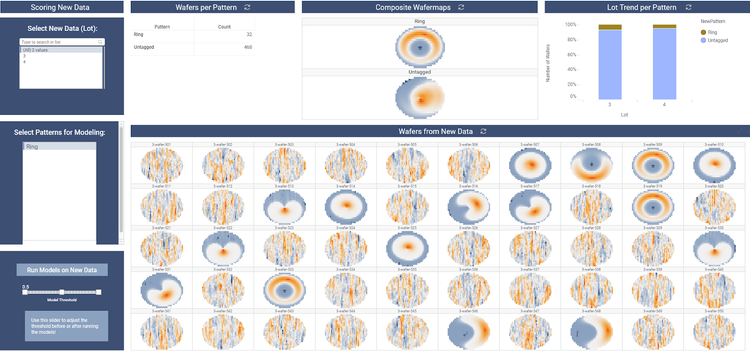
Figure 1. Spotfire analysis of wafer maps
The business impact of harmonized data
Leveraging harmonized semiconductor data can drive significant improvements across various operational and strategic areas. The key benefits include:
- Faster, data-driven decision-making: By unifying data in real time, Spotfire enables semiconductor manufacturers to identify issues quickly and implement corrective actions without delay. Engineers no longer have to wait for IT to prepare reports; instead, they can explore and interpret data instantly, empowering them to make informed decisions with confidence.
- Improved operational efficiency and yield: With Spotfire, semiconductor companies can optimize resource utilization, reducing operational costs and minimizing waste. Its proactive anomaly detection capabilities help prevent costly production errors, ensuring higher yields and improved product quality. By identifying inefficiencies in the manufacturing process, companies can drive continuous improvements and maintain a competitive edge.
- Enhanced cross-functional collaboration: A unified data environment fosters seamless collaboration between engineers, data scientists, and business leaders. Data scientists can create cutting edge algorithms and drop them into Spotfire so that engineers can put them to use immediately. Spotfire analytic applications enable teams to share best practices and work from a common source of truth, breaking down data silos and promoting a culture of data-driven decision-making across the organization.
Gain a competitive edge with Spotfire
Semiconductor manufacturers that leverage Spotfire capabilities gain a significant competitive advantage. By simplifying complex data environments, Spotfire transforms fragmented information into strategic insights, driving innovation and growth.
In an industry where every second counts, Spotfire helps you move from data chaos to clarity — unlocking insights that drive efficiency, productivity, and success.
Ready to break down data silos and uncover hidden insights? Discover Spotfire for semiconductor analytics.